Introduction
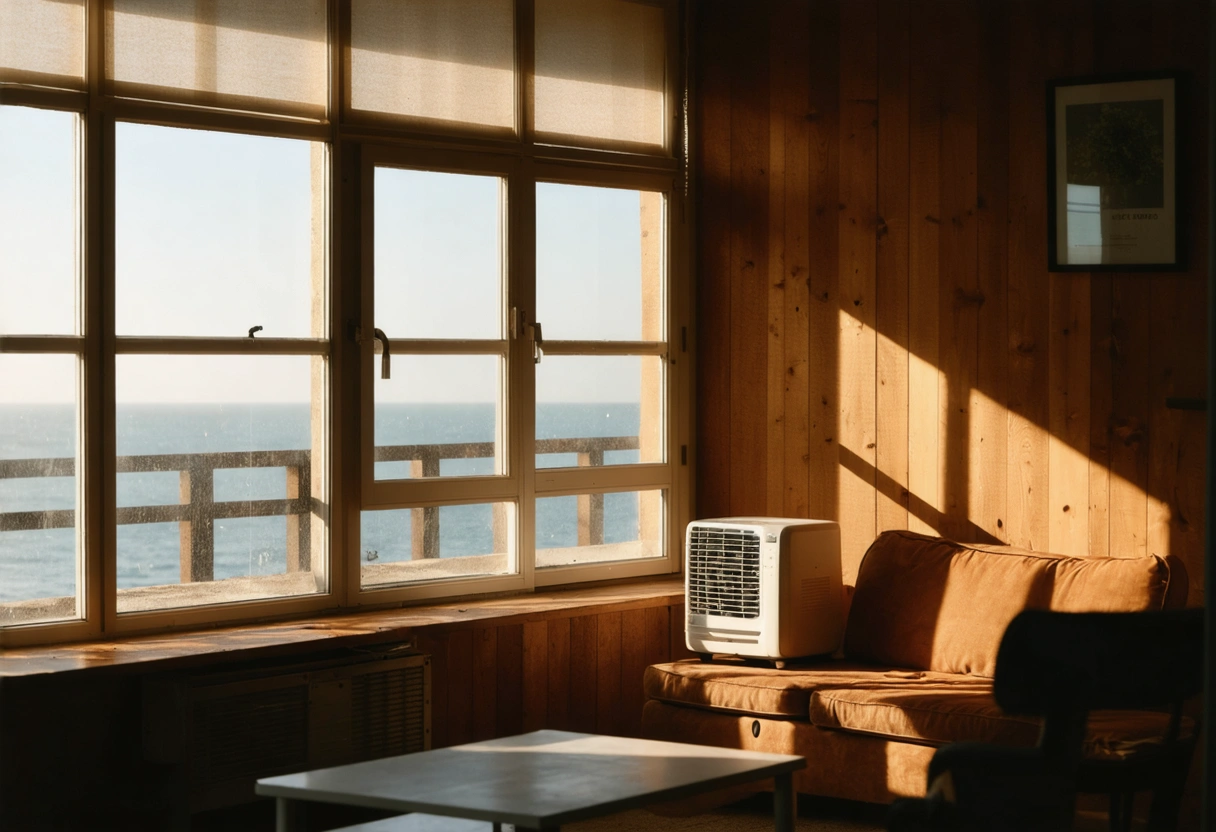
Living in a coastal area like Punta Gorda offers the charm of ocean breezes, stunning sunsets, and a laid-back lifestyle. However, it also presents unique challenges, particularly when it comes to maintaining the freshness and comfort of your apartment. High humidity and the risk of mold growth are common concerns for residents in coastal regions. Whether you are a long-term tenant or a short-term renter, keeping your apartment in optimal condition requires vigilance and proactive strategies. In this guide, we will explore effective humidity and mold prevention tips tailored specifically for coastal living in Punta Gorda.
Understanding Humidity and Its Impact on Apartments
Humidity levels can significantly affect the comfort and healthiness of your apartment environment. In coastal areas, the proximity to large bodies of water can lead to consistently high humidity levels. This moist air can penetrate every corner of your home, creating the perfect breeding ground for mold and mildew. Understanding the implications of humidity is crucial for implementing effective prevention measures.
High humidity can lead to several issues, including the deterioration of building materials, the warping of wooden furniture, and the proliferation of dust mites. Moreover, excessive moisture can compromise indoor air quality, leading to respiratory problems or allergic reactions in sensitive individuals. Recognizing the signs of high humidity, such as condensation on windows and a persistent musty odor, is the first step in mitigating its effects.
To effectively manage the humidity in your apartment, consider investing in a hygrometer. This device measures the level of moisture in the air, allowing you to take timely actions when levels exceed the recommended range of 30-50%. Regular monitoring can help you maintain a comfortable and healthy living space.
Why Humidity Control Matters
Controlling humidity is not merely about comfort; it is also a crucial factor in maintaining the structural integrity of your apartment. Over time, unchecked humidity can weaken drywall, corrode metal fixtures, and compromise the effectiveness of insulation. These issues can lead to costly repairs and decreased property value.
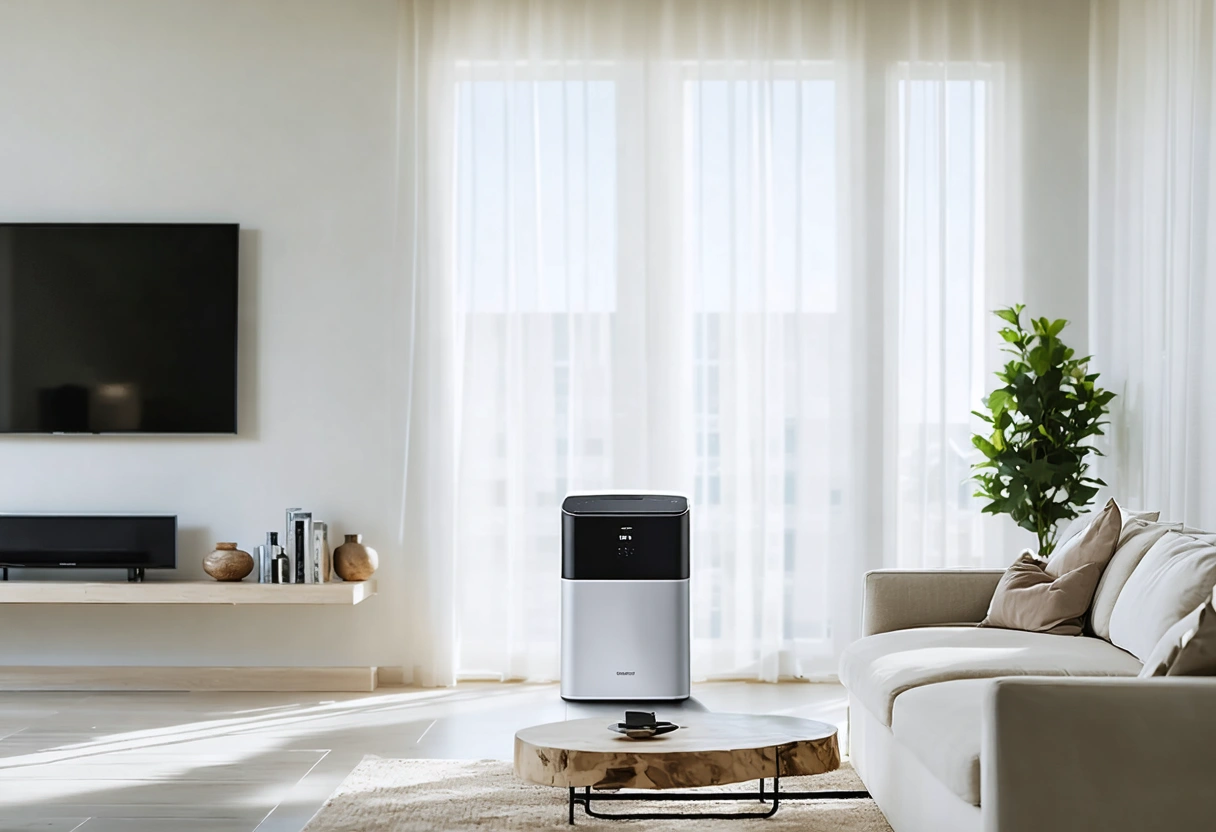
Furthermore, excess moisture can accelerate the wear and tear of home appliances. Electronics, in particular, are sensitive to humidity and may suffer from reduced lifespans if exposed to damp conditions. By taking proactive measures to control humidity, you can preserve your apartment’s condition and avoid unnecessary expenses.
Effective Strategies for Humidity Control
Implementing effective humidity control strategies is essential to prevent mold growth and maintain a pleasant living environment in your coastal apartment. Here are some practical tips to help you manage indoor moisture levels:
Ventilation and Air Circulation
Proper ventilation is a cornerstone of humidity control. Ensure that your apartment is well-ventilated by opening windows and doors whenever possible to promote air circulation. Utilizing exhaust fans in kitchens and bathrooms is also crucial, as these areas are prone to moisture buildup from cooking and bathing activities. If your apartment lacks sufficient ventilation, consider installing additional fans or air vents.
In addition to natural ventilation, using mechanical aids like ceiling fans or portable air circulators can enhance airflow. Position fans near windows to draw in fresh air and expel humid air. Regularly cleaning fan blades and vents will ensure they operate efficiently and do not circulate dust or allergens.
Dehumidifiers: A Coastal Resident’s Best Friend
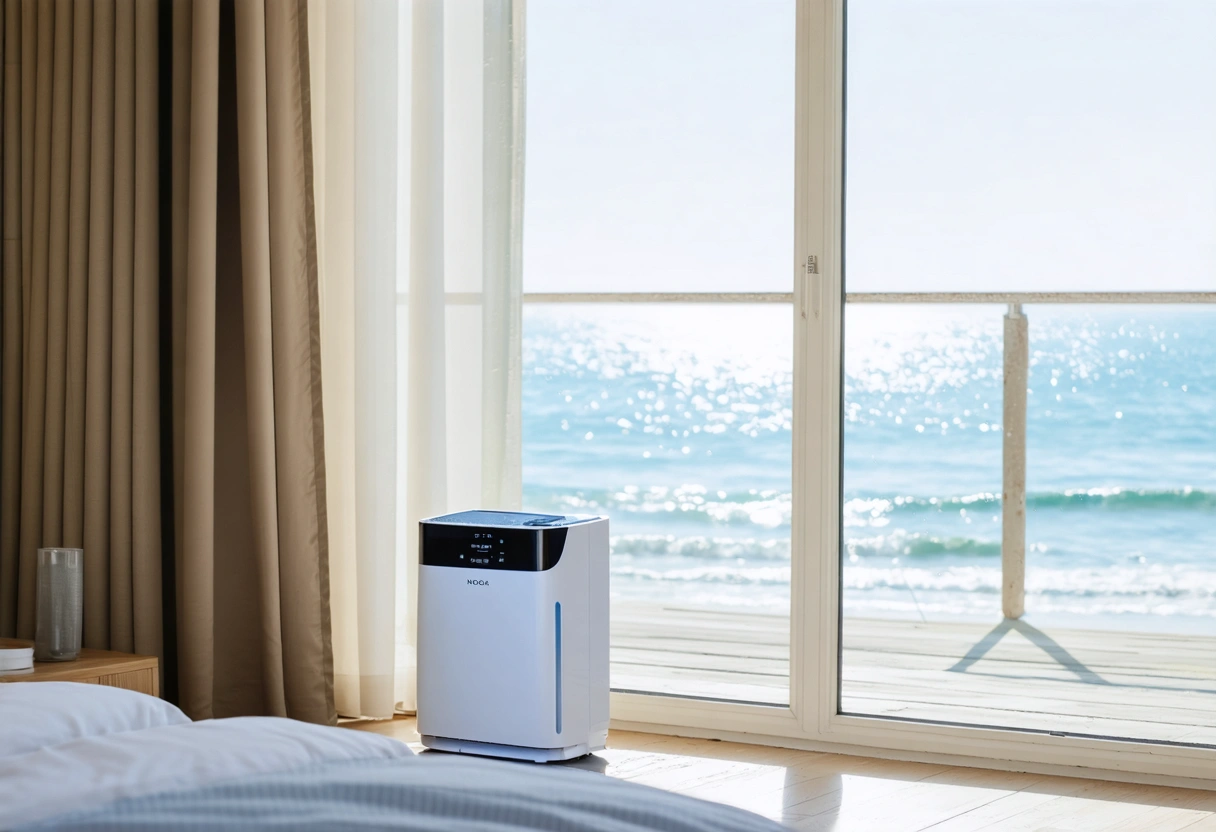
Dehumidifiers are invaluable tools for maintaining optimal humidity levels in coastal apartments. These devices work by extracting excess moisture from the air, thereby reducing the likelihood of mold growth and musty odors. Choose a dehumidifier that is appropriately sized for your apartment‘s square footage to ensure maximum effectiveness.
When using a dehumidifier, place it in areas that are prone to moisture accumulation, such as basements, bathrooms, or laundry rooms. Regularly empty the water reservoir and clean the unit’s filter to maintain its performance. Some advanced models come with humidity sensors and automatic shut-off features, allowing you to set your desired moisture level and conserve energy.
Mold Prevention Techniques
Mold is a common concern in humid environments, and its presence can have serious implications for both health and property. Mold spores thrive in damp conditions and can quickly spread throughout your apartment if left unchecked. Implementing preventive measures is essential to safeguard your living space from mold infestations.
Regular Cleaning and Maintenance
Maintaining a clean apartment is one of the most effective ways to prevent mold growth. Regularly clean and disinfect surfaces, paying special attention to areas that are prone to moisture, such as bathrooms and kitchens. Use mold-inhibiting cleaning products to prevent the growth of spores on tiles, grout, and countertops.
Inspect your apartment regularly for signs of water damage, such as peeling paint, water stains, or warped materials. Address any leaks or plumbing issues promptly to prevent water from seeping into walls or flooring. Additionally, ensure that your apartment is properly sealed, checking for gaps around windows, doors, and pipes where moisture could enter.
Use of Mold-Resistant Products
When renovating or decorating your apartment, consider using mold-resistant materials. These products are designed to withstand humid conditions and inhibit mold growth. Mold-resistant drywall, paint, and caulk are excellent options for areas prone to dampness.
Incorporating mold-resistant furnishings and decor can also contribute to a healthier environment. Opt for furniture made from synthetic materials that are less susceptible to moisture absorption, and choose fabrics that are treated with antimicrobial finishes. These choices not only enhance your apartment’s resilience to mold but also simplify cleaning and maintenance.
Takeaways
Maintaining a fresh and mold-free apartment in a coastal area like Punta Gorda requires a proactive approach. By understanding the impact of humidity and implementing effective control strategies, you can enhance your living environment and protect your property investment. Regular maintenance, proper ventilation, and the use of specialized tools like dehumidifiers are key components of a successful humidity and mold prevention plan.
Remember that prevention is always more cost-effective than remediation. By taking the time to monitor and manage humidity levels, you can enjoy the benefits of coastal living without compromising your apartment’s integrity or your health. Stay vigilant, stay informed, and keep your apartment fresh and inviting all year round.
Insulating and Sealing Your Apartment
Insulation and sealing play critical roles in humidity control and mold prevention. Effective insulation helps regulate indoor temperatures, reducing the need for excessive cooling or heating, which can exacerbate humidity issues. Proper sealing prevents outside moisture from infiltrating your living space, creating a barrier against the elements.
Choosing the Right Insulation
When it comes to insulation, not all materials are created equal. Coastal residents should prioritize moisture-resistant insulation types such as foam board or spray foam. These materials are less likely to absorb water and can provide a reliable barrier against humid air. Consult with a professional to determine the most suitable insulation type for your apartment layout and climate conditions.
Additionally, consider insulating areas that are often overlooked, such as attics, crawl spaces, and behind walls. These spaces can be significant contributors to temperature fluctuations and humidity problems if not properly insulated. By addressing these areas, you enhance your apartment’s overall energy efficiency and comfort.
Sealing Gaps and Cracks
Gaps and cracks in your apartment’s structure can allow moisture to enter, leading to increased humidity and potential mold growth. Conduct a thorough inspection of your living space, paying attention to areas around windows, doors, electrical outlets, and plumbing fixtures. Use caulk or weatherstripping to seal any identified gaps, creating a tight seal against the elements.
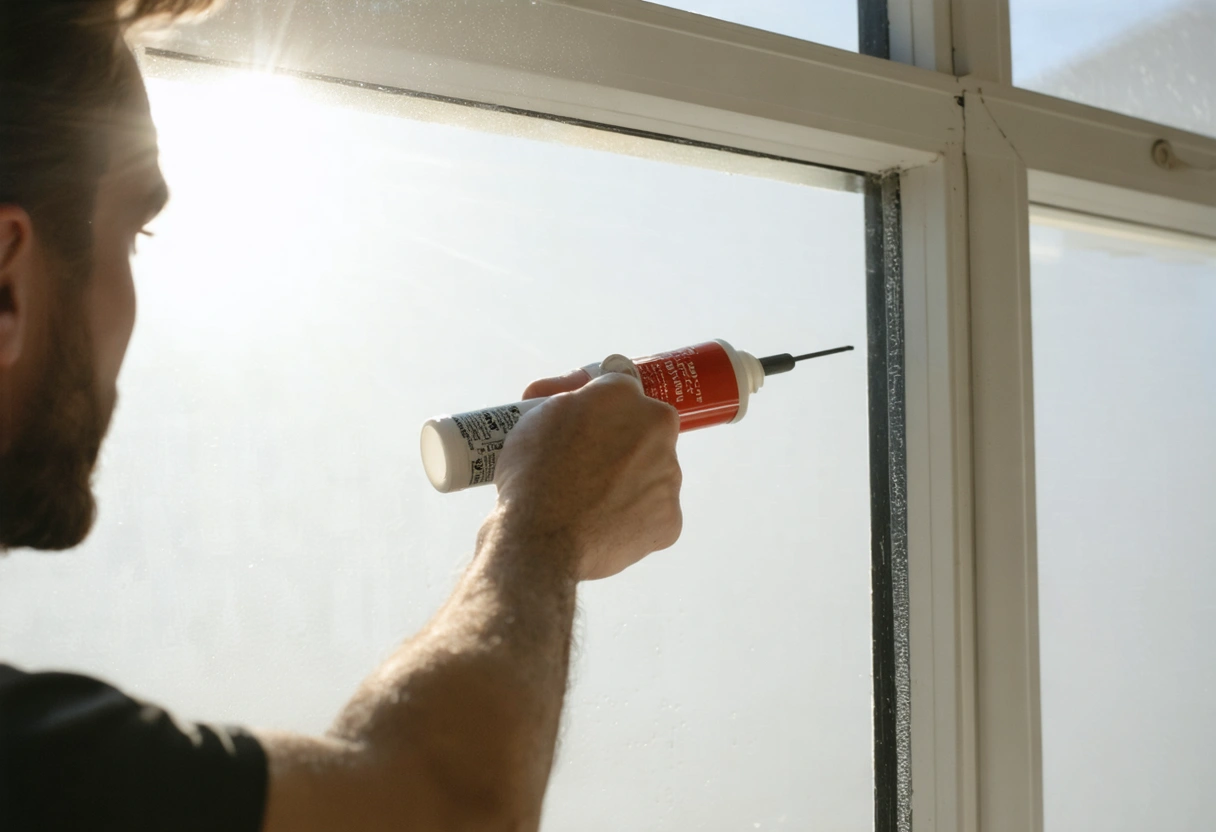
For windows and doors, consider installing storm windows or doors to add an extra layer of protection against moisture intrusion. Regularly check the condition of seals and replace them as needed to ensure continued effectiveness. Proper sealing not only aids in humidity control but also improves your apartment’s energy efficiency by preventing drafts.
Leveraging Technology for Humidity Management
In today’s digital age, technology offers innovative solutions for maintaining ideal humidity levels in your apartment. Smart home devices and applications can enhance your ability to monitor and control indoor conditions, providing convenience and peace of mind.
Smart Thermostats and Humidity Sensors
Smart thermostats are a valuable addition to any apartment, allowing you to regulate temperature and humidity with precision. These devices can be programmed to maintain specific conditions based on your preferences and schedule, optimizing energy usage while keeping your living space comfortable.
Incorporating humidity sensors into your apartment’s system can provide real-time data on moisture levels. Many smart home platforms offer integration with humidity sensors, enabling you to receive alerts when conditions exceed your desired range. This proactive approach allows you to address issues before they escalate, ensuring a healthy indoor environment.
Automated Dehumidification Systems
For those seeking a hands-off approach to humidity control, automated dehumidification systems can be an excellent investment. These systems can be set to operate based on specific humidity thresholds, activating only when needed to conserve energy. Some advanced models can be integrated with smart home systems, allowing you to control settings remotely via a smartphone app.
While automated systems offer convenience, it’s essential to perform regular maintenance, such as cleaning filters and emptying reservoirs, to ensure optimal performance. By leveraging technology, you can effortlessly maintain a comfortable and mold-free apartment environment.
The Role of Landscaping and Exterior Maintenance
The exterior surroundings of your apartment can influence indoor humidity levels and mold risk. Proper landscaping and maintenance practices can help manage moisture around your building, contributing to a healthier indoor environment.
Effective Drainage Solutions
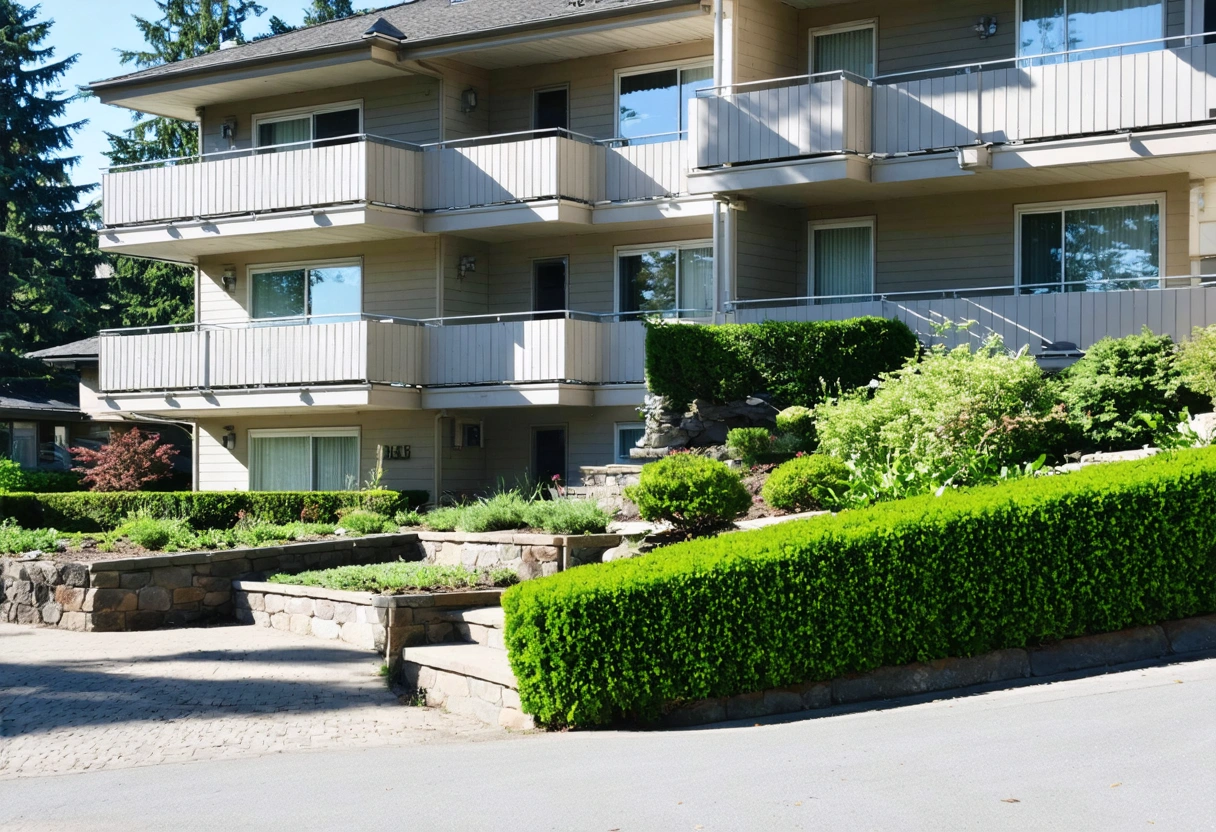
Ensure that your apartment building has an effective drainage system to direct water away from the foundation. Gutters and downspouts should be clean and functional, preventing water from pooling near the building’s base. Consider implementing landscaping strategies such as grading the soil to slope away from the structure and installing French drains where necessary.
Regularly inspect exterior walls for cracks or signs of water damage, addressing any issues promptly to prevent moisture infiltration. By maintaining proper drainage and exterior integrity, you can reduce the risk of water-related problems inside your apartment.
Landscaping Considerations
Landscaping can play a significant role in managing humidity around your apartment. Avoid planting vegetation too close to the building, as this can trap moisture against the walls and create a conducive environment for mold growth. Instead, opt for plants and shrubs that require minimal watering and are suited to the local climate.
Consider using gravel or mulch in garden beds to facilitate drainage and reduce soil moisture retention. Regularly trim trees and bushes to promote airflow around the building, further reducing the risk of moisture buildup. Thoughtful landscaping can enhance your apartment’s curb appeal while contributing to a drier, healthier indoor environment.
Final Thoughts
Coastal living in Punta Gorda offers unparalleled beauty and a unique lifestyle, but it also requires a proactive approach to managing humidity and preventing mold. By implementing the strategies outlined in this guide, you can maintain a fresh, comfortable, and healthy apartment environment.
Whether you are using technology to monitor conditions, investing in insulation and sealing, or landscaping with humidity management in mind, each step you take contributes to a more resilient and enjoyable living space. Embrace the coastal lifestyle with confidence, knowing that you have the tools and knowledge to keep your apartment in optimal condition year-round.
Need help with Keeping Your Apartment Fresh: Humidity and Mold Prevention Tips for Coastal Living in Punta Gorda?