Introduction
Florida is renowned for its sunny beaches and vibrant culture, but it also has a notorious storm season. As a rental property owner in the Sunshine State, being proactive about storm preparedness is not just a good idea; it’s a necessity. Preparing your rental property for Florida’s storm season can protect your investment, ensure tenant safety, and minimize potential damage. This comprehensive guide will walk you through essential steps to make your property storm-ready.
Understanding Florida’s Storm Season
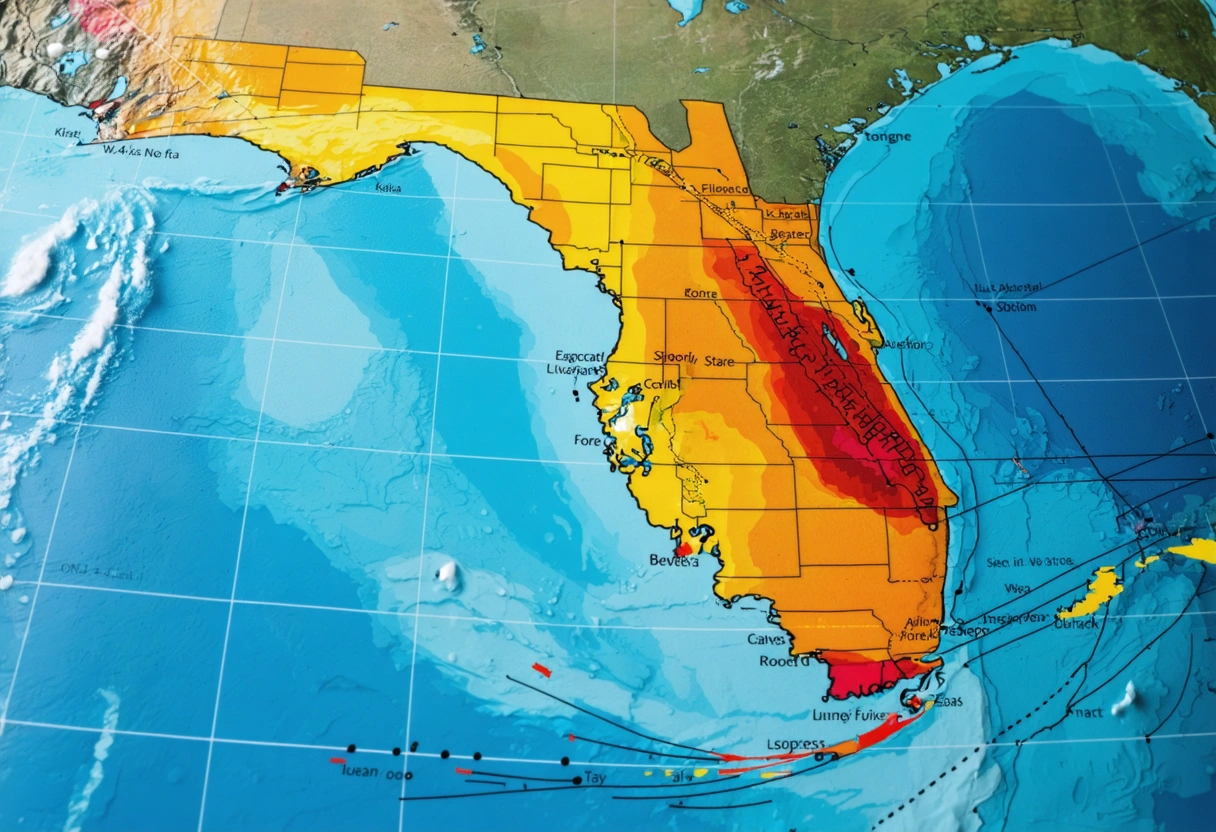
Florida’s storm season typically spans from June 1st to November 30th, with the peak occurring between August and October. This period is characterized by tropical storms and hurricanes that can bring intense rain, high winds, and flooding. Understanding the nature and timing of these storms is crucial for effective preparation.
While predicting the exact path or intensity of a storm is challenging, the National Hurricane Center provides valuable resources for tracking storms and issuing warnings. Staying informed and utilizing these tools can help you make timely decisions about property protection and tenant safety.
Conducting a Comprehensive Property Inspection
Before storm season hits, conduct a thorough inspection of your rental property. This ensures that you identify potential vulnerabilities and address them proactively. Start with the roof, checking for loose or missing shingles, as these can be easily torn off during a storm. Ensure gutters are clear of debris to prevent water overflow and potential damage to the property’s foundation.
Inspect windows and doors to ensure they are properly sealed and can withstand high winds. Consider installing storm shutters or impact-resistant windows for added protection. Pay attention to the landscaping around the property. Trim trees and bushes to reduce the risk of branches breaking off during a storm and causing damage.
Electrical and Utility Checks

Electrical systems are particularly vulnerable during storms. Ensure all wiring is up to code and consider installing a surge protector to safeguard appliances and systems. It’s also wise to have a backup generator in place, especially for longer power outages. Check that all utility connections, such as water and gas, are secure and easily accessible for emergency shutoff if necessary.
Implementing Storm-Ready Features
Investing in storm-ready features can significantly enhance your property’s resilience. Hurricane straps can strengthen the roof structure, reducing the risk of it being blown away. Reinforcing garage doors can prevent them from buckling under pressure, which often leads to more severe structural damage.
Flooding is another significant concern during storms. Elevate electrical outlets and appliances where possible, particularly in flood-prone areas. Installing sump pumps and backflow valves can be effective measures to prevent water damage. Consider landscaping solutions like grading and drainage systems that direct water away from the foundation.
Securing Outdoor Areas
Outdoor areas can become hazardous during a storm if not properly secured. Anchor down any outdoor furniture, grills, or decorations that could become projectiles in strong winds. Fencing should be checked for stability and repaired if needed. It’s also wise to have a plan for safely storing items that can’t be secured.
Preparing Tenants for Storm Season
Your tenants play a crucial role in storm preparedness. Ensure they are informed and equipped to handle storm situations. Provide them with a storm preparation guide that includes emergency contact numbers, evacuation routes, and safety tips. Encourage tenants to create their own emergency kits, including essentials like water, non-perishable food, flashlights, and first-aid supplies.
Communication is key. Establish a reliable method to convey important information during a storm, such as a group messaging app or email chain. Make sure tenants know how to report damage or issues that arise during or after a storm. This proactive approach not only ensures their safety but also helps in managing repairs efficiently.

Insurance and Legal Considerations
Review your insurance policy to ensure adequate coverage for storm-related damages. This includes both structural and content insurance. It’s also essential to understand the legal responsibilities you have as a landlord during storm season. You might want to consult with a legal expert to ensure that your lease agreements and policies are compliant with state laws regarding disaster preparedness and tenant safety.
Staying Informed and Connected
Staying informed about the latest weather developments is crucial during storm season. Subscribing to local weather alerts and downloading weather apps can keep you updated on storm paths and severity. Websites like the National Weather Service offer real-time updates and advisories.
Networking with other landlords and property managers can also provide valuable insights and strategies for storm preparation. Online forums and local property management groups can be excellent resources for sharing experiences and tips. Consider joining a community organization focused on disaster preparedness for additional support and information.
After the Storm: Assessing and Repairing Damage
Once the storm has passed, it’s time to assess the damage and begin repairs. Conduct a detailed inspection of the property, documenting any damage with photos and notes. This documentation is essential for insurance claims and repair planning.
Prioritize repairs based on safety and functionality. Address any immediate hazards such as downed power lines or structural damage. Contact your insurance company as soon as possible to start the claim process. Consider hiring professional contractors for repairs to ensure they are completed safely and to code.
Learning and Improving

Every storm season provides an opportunity to learn and improve your preparedness strategy. Review what worked well and what didn’t in your storm preparation and response. Solicit feedback from tenants on their experience and incorporate their suggestions into future planning.
Continuous improvement not only enhances property safety but also builds tenant trust and satisfaction. Being known as a landlord who prioritizes safety and preparedness can be a significant advantage in the competitive rental market.
Takeaways
Preparing your rental property for Florida’s storm season requires diligence, planning, and a commitment to tenant safety. By conducting thorough inspections, implementing storm-ready features, and fostering open communication with tenants, you can mitigate the risks posed by severe weather. While it may seem daunting, being prepared can save you time, money, and stress in the long run.
Staying informed, connected, and proactive are your best tools for navigating Florida’s storm season successfully. Embrace the resources available, such as the Federal Emergency Management Agency guidelines, and continue to refine your strategies for a safer, more resilient rental property.
Engaging with Local Community Resources
Engaging with local community resources is an invaluable strategy when preparing for storm season. Many Florida communities have dedicated emergency management offices that offer workshops, seminars, and materials on storm preparedness. These resources can equip you with the latest information on best practices and technological advancements in storm readiness.
Consider reaching out to local emergency services to understand how they manage storm situations and what protocols they have in place. Building a relationship with these services can provide you with priority access to assistance when needed. Additionally, staying in touch with local government updates can alert you to any changes in zoning laws or construction requirements that might affect your property.
Community Collaboration and Support

Collaboration with fellow property owners and community members can strengthen your storm preparedness efforts. Organize or participate in neighborhood meetings where you can share tips, resources, and strategies. Such collaboration can foster a sense of community and collective resilience, ensuring that everyone in the area is as prepared as possible.
Community support networks can also be vital in post-storm situations. By having a network in place, you can share resources such as generators, food, and temporary shelter, helping to mitigate the impact of a severe weather event on all involved.
Utilizing Technology for Enhanced Preparedness
Incorporating technology into your storm preparedness plan can significantly enhance your ability to protect your property and tenants. Smart home technology, such as remote monitoring systems, can provide real-time updates on the condition of your property during a storm. These systems can alert you to issues like leaks or electrical failures, enabling you to take immediate action.
Weather apps and alert systems are crucial for staying informed about storm developments. Choose apps that offer detailed forecasts, radar imaging, and emergency alerts. Some apps even allow you to set up custom alerts for specific weather conditions, ensuring you receive the information most relevant to your property’s location.
Digital Communication Tools
Digital communication tools can streamline your interactions with tenants, especially during emergencies. Platforms like WhatsApp, Slack, or dedicated property management software can facilitate fast and efficient communication, reducing confusion and ensuring everyone receives the necessary information. Regularly update your tenants on any changes to emergency procedures or contact details to maintain clear lines of communication.
Consider creating a digital checklist or guide for your tenants that outlines steps to take before, during, and after a storm. This can be easily distributed and accessed via smartphones or computers, ensuring tenants have the information they need at their fingertips.
Financial Planning for Storm Preparedness
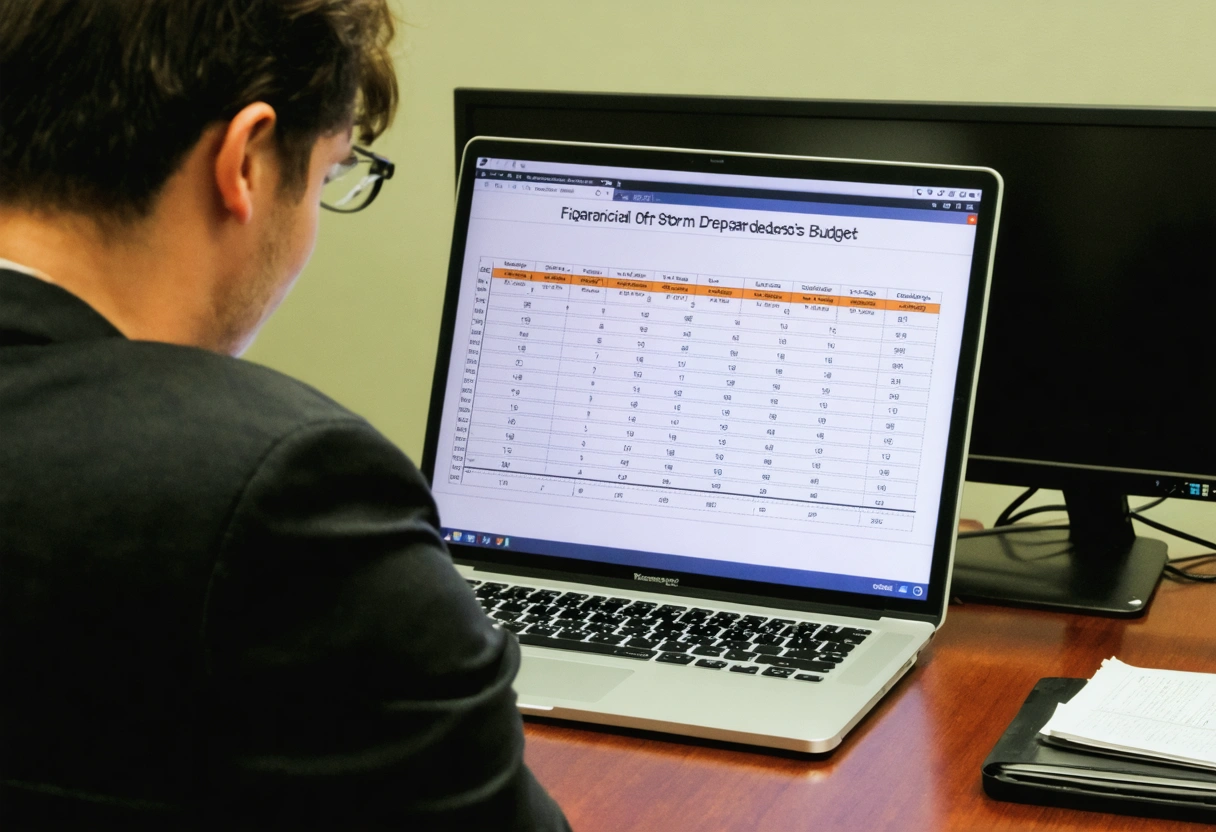
Financial planning is a crucial aspect of storm readiness. Setting aside a dedicated emergency fund for storm-related expenses can ease the financial burden of repairs and temporary relocations. Consider discussing with your financial advisor or accountant about the best strategies to allocate funds for storm preparedness.
Moreover, review your insurance policy annually to ensure it aligns with potential risks. If necessary, adjust coverage limits or add specific riders for storm-related events. This proactive approach can prevent financial strain and provide peace of mind during the storm season.
Leveraging Tax Incentives and Grants
Certain tax incentives and grants are available for property owners who invest in storm-resistant upgrades. Research available programs and consider applying for those that align with your preparedness efforts. These incentives can offset the costs of installing features like impact-resistant windows or advanced drainage systems, making it more feasible to enhance your property’s resilience.
Staying informed about federal and state programs, such as those offered by the Florida Division of Emergency Management, can provide additional financial support and resources, empowering you to make comprehensive upgrades without breaking the bank.
A Commitment to Safety and Resilience
Preparing your rental property for Florida’s storm season is a multifaceted endeavor that demands foresight, planning, and continuous improvement. By engaging with community resources, leveraging technology, and maintaining open communication with tenants, you can significantly enhance your property’s ability to withstand severe weather events.
Remember, the goal is not only to protect your investment but also to ensure the safety and comfort of your tenants. Each step you take towards improving storm readiness contributes to a safer living environment and a more resilient community. By embracing these practices and staying informed of new developments, you can navigate Florida’s storm season with confidence and security.
Need help with Storm Ready: How to Prepare Your Rental Property for Florida’s Storm Season?