
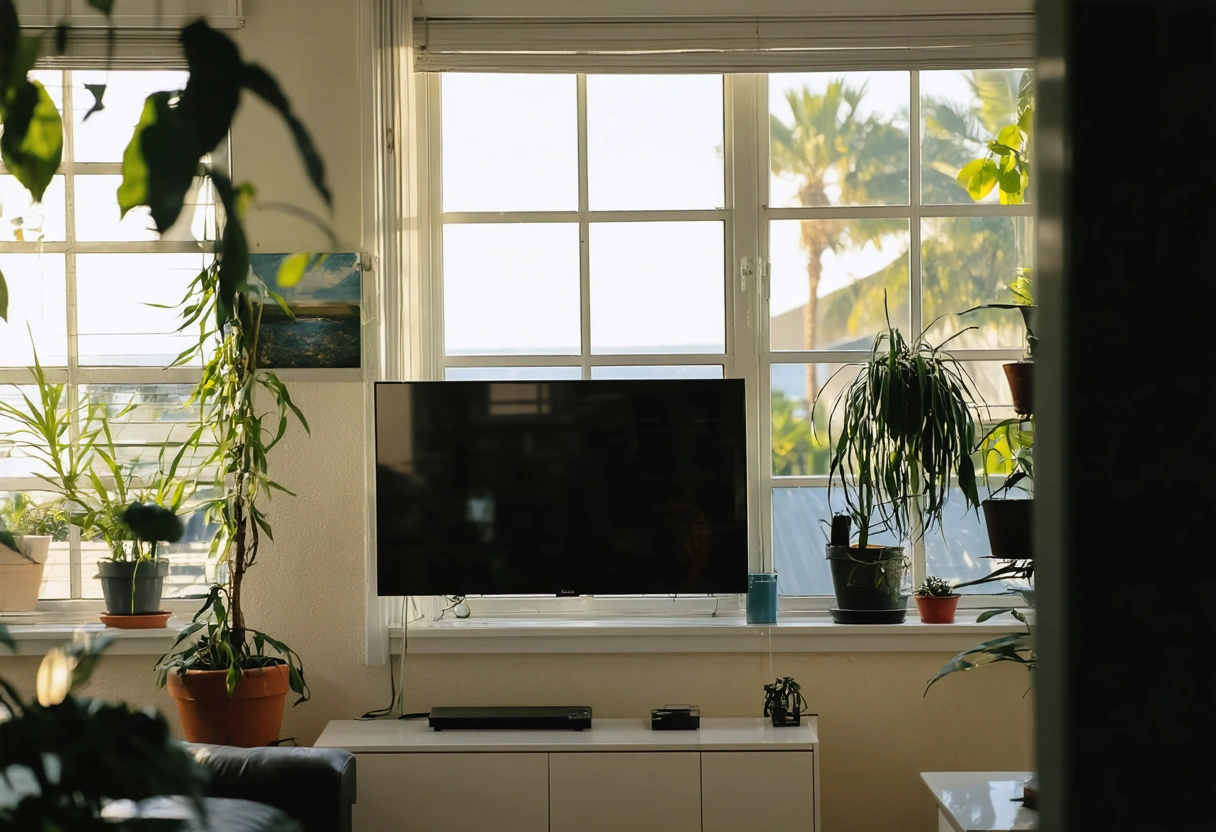
Keeping Cool: How to Maintain Your Apartment’s AC in Southwest Florida‘s Climate
Living in Southwest Florida can be a dream come true with its beautiful beaches, vibrant communities, and warm climate. However, the heat and humidity can be quite challenging, especially when it comes to keeping your apartment comfortable. Your air conditioning system is your best ally in maintaining a cool and pleasant living space. Proper maintenance of your AC unit is crucial for efficiency, longevity, and cost savings. This comprehensive guide will walk you through everything you need to know about maintaining your apartment’s AC in Southwest Florida’s climate.
Understanding the Unique Climate of Southwest Florida
Southwest Florida is renowned for its subtropical climate, characterized by hot, humid summers and mild winters. The high temperatures and humidity levels often push air conditioning systems to their limits. Understanding the climate is the first step in addressing the specific needs of your AC unit. The summer months, typically from May through September, see average highs in the 90s (Fahrenheit), with humidity levels often exceeding 70%. These conditions not only stress cooling systems but also increase energy consumption.
In such a climate, air conditioning becomes more than just a luxury; it’s a necessity. The constant use of AC units during these months can lead to wear and tear if not properly maintained. As a resident, taking proactive measures can prevent unforeseen issues and ensure your AC runs efficiently throughout the year.
The Importance of Regular AC Maintenance
Regular maintenance of your AC unit is not just about keeping cool; it’s about extending the life of your system and reducing energy bills. A well-maintained AC unit operates more efficiently, using less energy to produce the same amount of cooling power. This translates to lower electricity bills and a reduced carbon footprint. Moreover, regular maintenance can help identify minor issues before they become major problems, potentially saving you from costly repairs.
According to the U.S. Department of Energy, simple maintenance tasks like replacing or cleaning filters can reduce your air conditioner’s energy consumption by 5% to 15%. For more detailed guidance, refer to this comprehensive guide on maintaining your air conditioner.
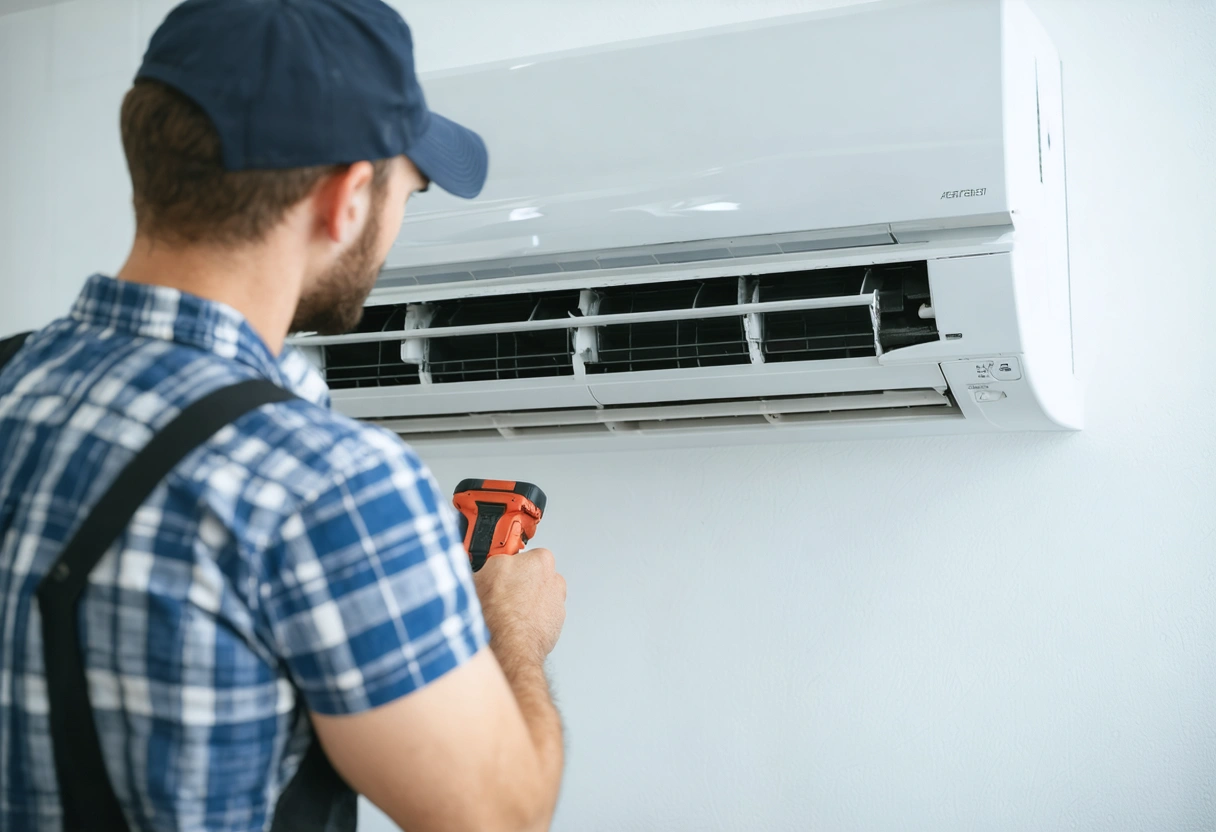
Key Maintenance Tasks for Your AC Unit
1. Regular Filter Replacement
The AC filter plays a crucial role in maintaining air quality and efficiency of your system. It traps dust, allergens, and other particles, preventing them from circulating through your apartment. In Southwest Florida’s dusty and humid environment, it’s advisable to check your filters every month and replace them every 1-3 months, depending on usage and the type of filter.
Clogged filters can cause your AC to work harder, increasing energy consumption and putting strain on the system. By keeping them clean, you ensure optimal airflow and efficiency. Some residents opt for higher-quality filters, which can capture smaller particles and last longer, but they may also require more frequent changes.
2. Cleaning the Coils
The evaporator and condenser coils of your AC unit are critical components that require regular maintenance. Over time, these coils can accumulate dirt and debris, reducing their ability to absorb and release heat effectively. This can lead to increased energy consumption and reduced cooling capacity.
It’s recommended to clean the coils annually. You can do this yourself with a gentle brush or cloth, or hire a professional for a more thorough job. Keeping the area around the condenser unit free of debris and vegetation also helps improve airflow and efficiency. For a detailed explanation on how to clean these components, check out this EPA guide on cleaning air conditioner coils.
3. Inspecting and Cleaning the Ductwork
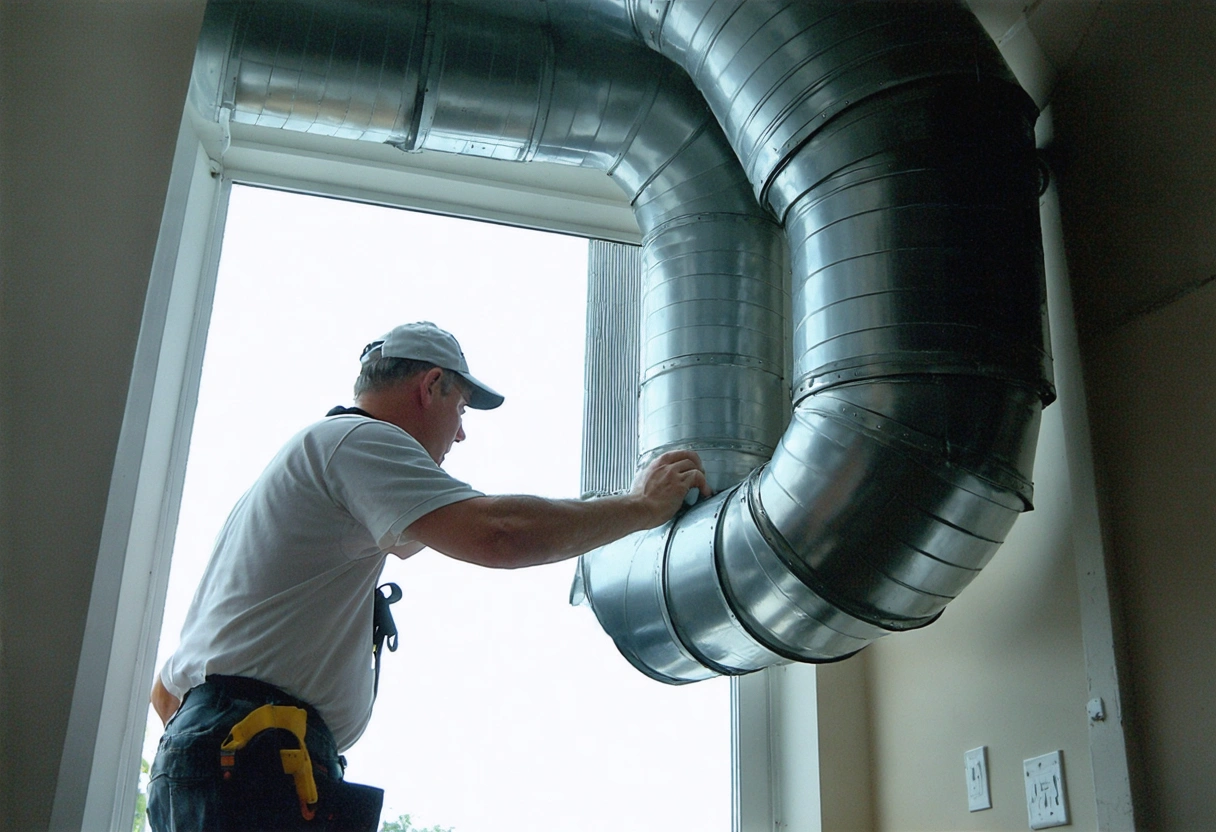
Ductwork is often overlooked in AC maintenance but plays a crucial role in delivering cool air throughout your apartment. Leaks or blockages in the ducts can lead to inefficient cooling and increased energy bills. Regular inspection and cleaning can prevent these issues.
It’s advisable to have your ducts inspected every few years by a professional. They can identify leaks, blockages, or insulation issues that might be affecting your AC’s performance. Cleaning the ducts can improve air quality and system efficiency, particularly in humid regions like Southwest Florida.
Utilizing Smart Thermostats for Better Efficiency
Incorporating smart technology into your home can significantly enhance your AC’s efficiency. Smart thermostats allow you to program your air conditioning to operate only when needed, reducing unnecessary energy consumption. They can learn your schedule and preferences, adjusting the temperature automatically for optimal comfort and efficiency.
Many smart thermostats also come with features such as remote access, energy usage reports, and compatibility with other smart home devices. By investing in a smart thermostat, you can potentially save up to 10% annually on heating and cooling costs, according to Energy Star’s estimates.
Choosing the Right AC Unit for Your Apartment
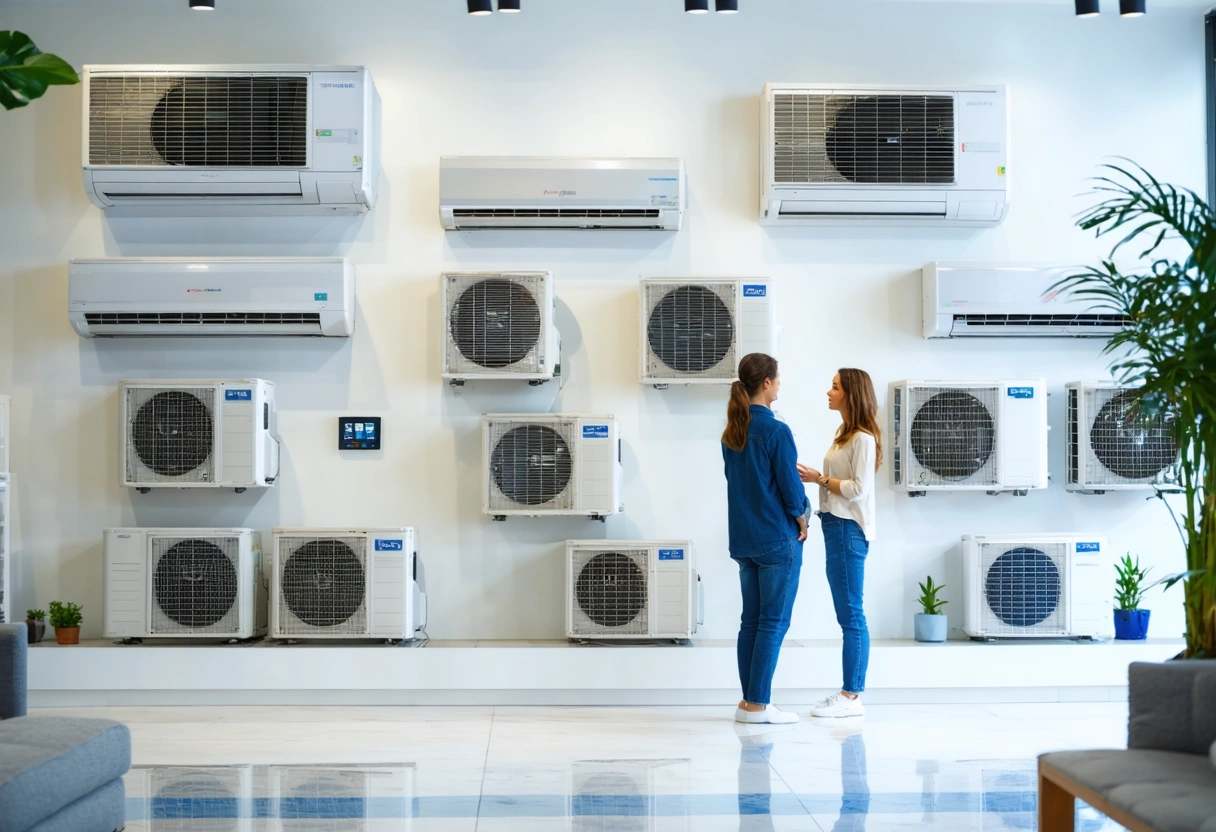
If you’re in the market for a new AC unit, selecting the right one for your apartment is crucial. Factors such as unit size, energy efficiency rating, and cooling capacity should be considered. An oversized unit may cool the space quickly but can lead to humidity problems, while an undersized unit may struggle to maintain a comfortable temperature.
It’s important to assess your apartment’s specific needs and consult with a professional to ensure you choose the most suitable unit. Additionally, consider units with high SEER (Seasonal Energy Efficiency Ratio) ratings, as these are more energy-efficient and can result in cost savings over time. For more information on selecting the right AC unit, visit this Consumer Reports buying guide.
When to Call a Professional for AC Maintenance
While many maintenance tasks can be performed by residents, there are instances where professional intervention is necessary. If you notice unusual noises, poor airflow, or inconsistent cooling, it may be time to call in an expert. Professionals have the tools and expertise to diagnose and repair more complex issues that could be affecting your AC’s performance.
Annual professional maintenance checks are recommended to ensure your system is running efficiently and to catch any potential problems early. These checks typically include inspecting electrical components, refrigerant levels, and ensuring all parts are in good working condition. Regular professional maintenance can extend the life of your unit and provide peace of mind during the hottest months.
Takeaways
Maintaining your apartment’s AC unit in Southwest Florida’s climate is essential for comfort, efficiency, and cost savings. By understanding the unique challenges of the region, performing regular maintenance tasks, and knowing when to call a professional, you can ensure your AC unit operates optimally year-round. Whether it’s replacing filters, cleaning coils, or investing in smart technology, every action you take contributes to a more comfortable and enjoyable living environment.
Don’t let the heat and humidity of Southwest Florida get the best of you. With proper care and attention, your air conditioning system can keep you cool and comfortable, allowing you to fully enjoy the vibrant lifestyle this region has to offer.
Optimizing Airflow in Your Apartment

Optimizing airflow is an often-overlooked aspect of maintaining a comfortable living space. Restricted airflow can strain your AC unit, making it work harder to circulate air. Ensuring that air can move freely throughout your apartment can enhance the overall efficiency of your cooling system.
Begin by assessing your furniture placement. Large furniture pieces should not block vents, as this can prevent air from circulating. Rearranging your space to keep vents clear can improve airflow significantly. Additionally, keeping interior doors open during the day allows air to flow between rooms, ensuring consistent cooling throughout your apartment.
Using ceiling fans in conjunction with your AC can also help circulate cool air more effectively. Fans create a wind-chill effect, allowing you to set your thermostat a few degrees higher without sacrificing comfort. This can lead to energy savings, as each degree you raise your thermostat can decrease your cooling costs by about 3% to 5%. For more insight on optimizing airflow and using fans, review this energy-saving guide on fans and ventilation.
Sealing and Insulating Your Apartment
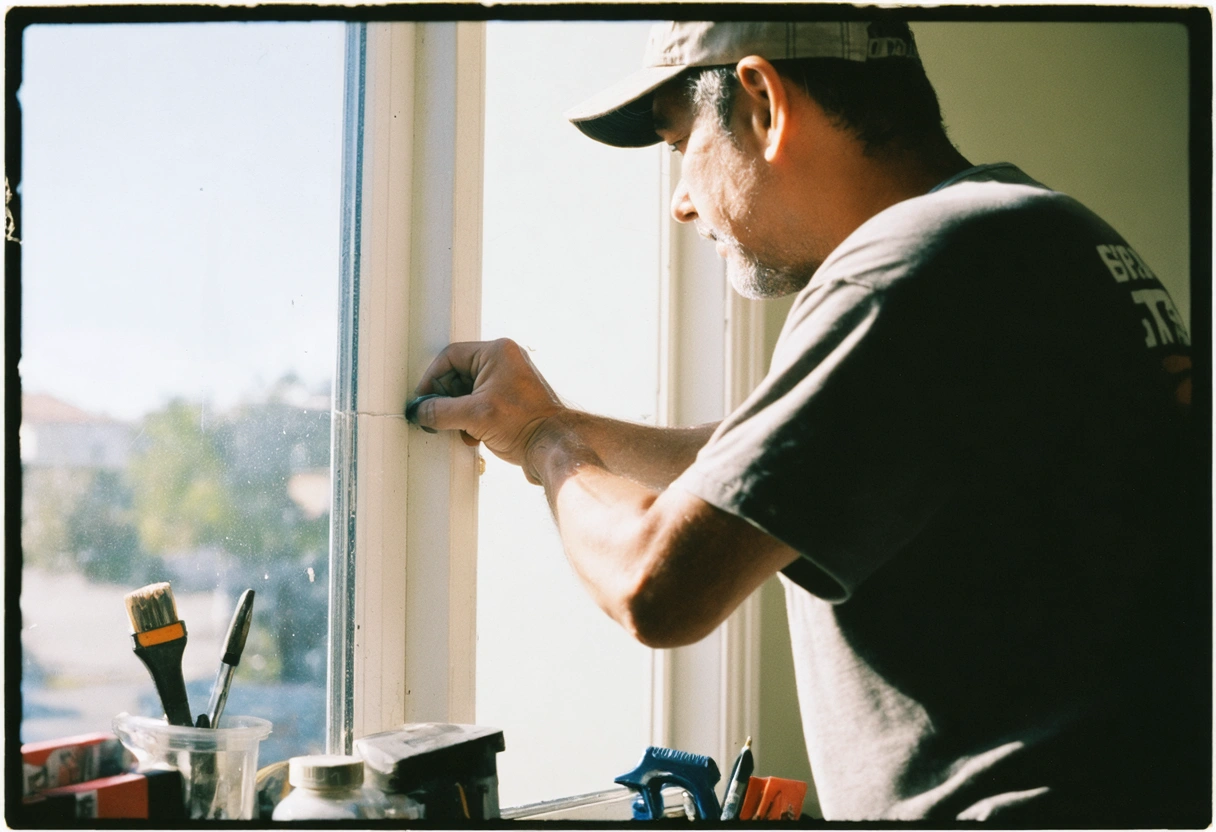
Proper sealing and insulation play a critical role in maintaining your apartment’s temperature. Gaps around windows, doors, and other areas can let cool air escape, forcing your AC to work harder to maintain the desired temperature. Addressing these gaps can significantly improve your apartment’s energy efficiency.
Start by inspecting your windows and doors for drafts. Weatherstripping or caulking can be effective solutions for sealing gaps. Additionally, consider adding insulation to areas where it’s lacking, such as around window frames or within walls. Insulated curtains or blinds can also help keep the heat out during the day, reducing the load on your AC unit.
By enhancing your apartment’s insulation, you not only improve your comfort but also reduce energy consumption and costs. For more tips on sealing and insulating your home, explore this EPA resource on energy-efficient home improvements.
Understanding the Impact of Humidity
Humidity is a significant factor in Southwest Florida’s climate, often making temperatures feel hotter than they are. High humidity can also affect your AC’s performance, as it must work to remove moisture from the air in addition to cooling it.
To manage humidity, consider using a dehumidifier in conjunction with your AC. Dehumidifiers remove excess moisture from the air, enhancing comfort and reducing the effort required by your AC unit. This can lead to more efficient cooling and lower energy costs. Some modern AC units come with built-in dehumidification features, offering an all-in-one solution for climate control.
Understanding the role of humidity in your apartment’s climate control can help you make informed decisions about your cooling strategy. For more information on managing humidity and its effects, visit this detailed guide on humidity control.
Final Thoughts
Maintaining your apartment’s AC in Southwest Florida requires a comprehensive approach that includes regular maintenance, smart technology, and optimizing your living environment. By taking these steps, you can ensure your AC unit operates at peak efficiency, providing you with a cool and comfortable home even in the harshest summer months.
Remember, a proactive approach to AC maintenance not only extends the life of your unit but also contributes to significant energy savings. Whether you’re adjusting your thermostat, sealing drafts, or investing in smart home technology, every action plays a part in creating a more sustainable and enjoyable living space.
By implementing the strategies outlined in this guide, you can confidently face the challenges of Southwest Florida’s climate, ensuring that your apartment remains a haven of comfort and relaxation.
Need help with Keeping Cool: How to Maintain Your Apartment’s AC in Southwest Florida’s Climate?