Understanding the Importance of Humidity Control in Southwest Florida
Living in Southwest Florida comes with its own set of unique challenges when it comes to maintaining a comfortable and healthy apartment environment. The region’s subtropical climate, characterized by high humidity levels and frequent rain, can lead to issues such as mold growth and structural damage if not properly managed. For renters, taking proactive steps to control humidity and prevent mold is crucial to preserving both their health and their living space.
Humidity control is more than just a comfort issue; it’s a health imperative. High humidity levels can lead to the proliferation of dust mites, mold, and mildew, all of which can trigger allergies and respiratory problems. Keeping your apartment’s humidity in check helps maintain air quality and prevents the deterioration of your living space. In this guide, we will explore practical tips and techniques to manage humidity and prevent mold in your Southwest Florida apartment.
The Science Behind Humidity and Mold Growth
To effectively manage humidity and mold, it’s essential to understand the science behind these phenomena. Humidity refers to the amount of moisture in the air. In Southwest Florida, humidity levels can soar, especially during the rainy summer months. High humidity creates a conducive environment for mold spores, which are ubiquitous in nature, to settle and grow.
Mold requires three conditions to thrive: moisture, a food source, and the right temperature. Your apartment, with its drywall, wood, and carpet, provides an excellent food source for mold. When combined with high humidity and temperatures ranging from 70 to 85 degrees Fahrenheit, mold can quickly become a problem. Recognizing these conditions will help you take preventive measures to protect your home.
Recognizing the Signs of Mold
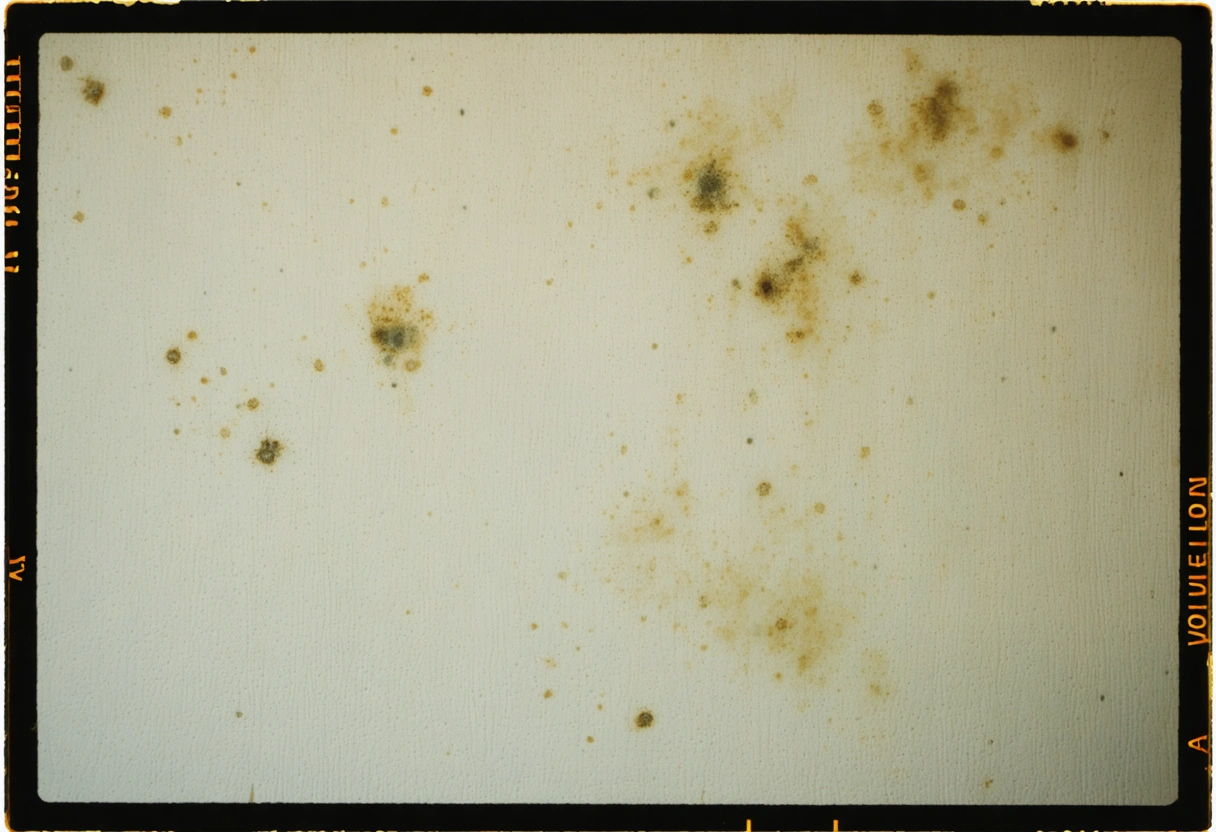
Early detection of mold can save you from a host of problems, including health issues and costly repairs. Mold often presents itself in subtle ways, so knowing the signs can help you catch it early. Look for discoloration on walls, ceilings, and floors, which can appear as black, green, or brown spots. A musty odor is another indicator, as mold releases volatile organic compounds (VOCs) that create a distinctive smell.
Health symptoms such as persistent coughing, sneezing, or skin irritation may also signal mold presence. If you notice any of these signs, it’s essential to take action immediately by consulting a professional for mold inspection and remediation.
Effective Humidity Control Strategies
Managing humidity in your apartment is a multi-faceted approach that involves both preventative and active measures. Here are some effective strategies to keep humidity levels in check:
Utilizing Dehumidifiers
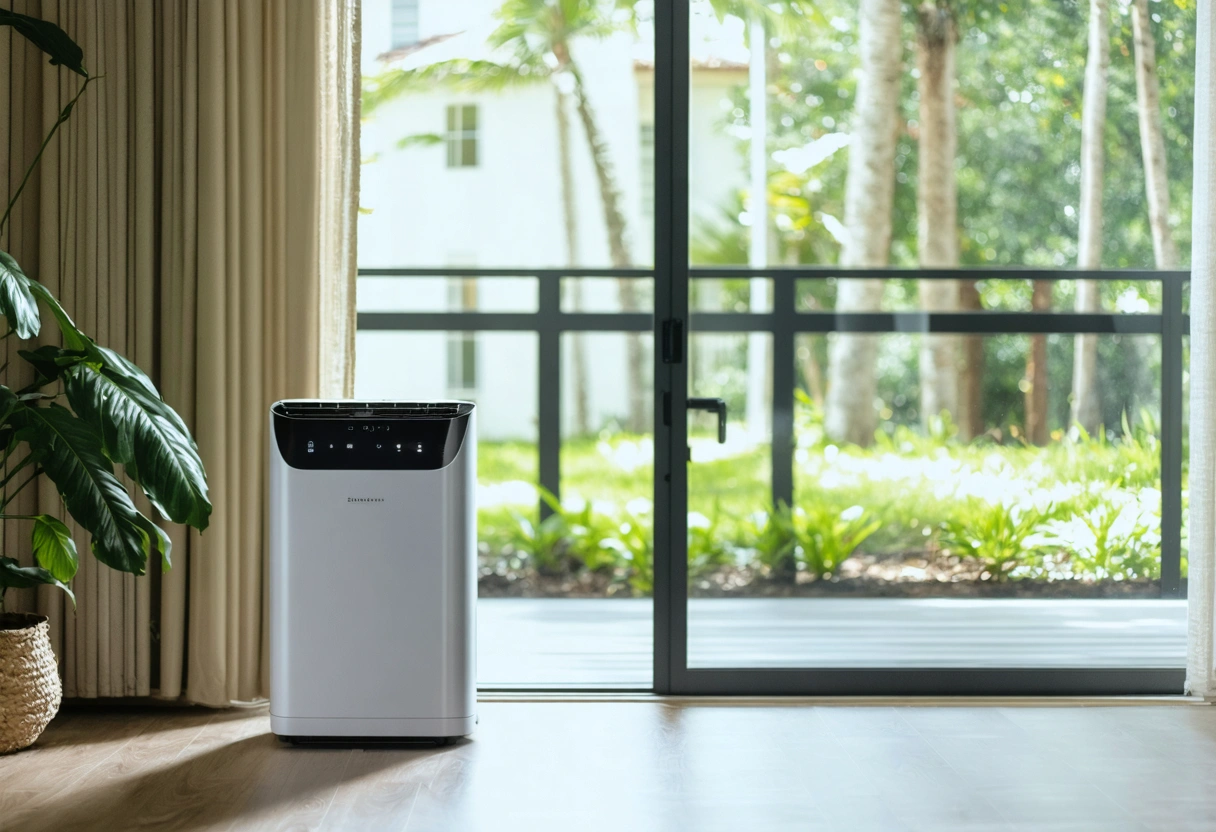
One of the most effective ways to control humidity is by using a dehumidifier. These devices work by drawing excess moisture from the air, reducing humidity levels to a comfortable range of 30-50%. When selecting a dehumidifier, consider the size of your apartment and the specific humidity challenges you face. For larger spaces, a whole-house dehumidifier might be beneficial, while portable units are suitable for smaller areas.
Ventilation and Air Circulation
Proper ventilation is critical in maintaining low humidity levels. Ensure your apartment is well-ventilated by using exhaust fans in bathrooms and kitchens. Keep windows open when weather permits to allow fresh air to circulate. Ceiling fans can also aid in air circulation, helping to disperse moisture-laden air.
Temperature Regulation
Maintaining a consistent temperature helps in managing humidity. Use your air conditioner to keep indoor temperatures cool, as cooler air holds less moisture. Regular maintenance of your AC unit ensures it operates efficiently, further aiding in humidity control.
Preventing Mold Growth in Apartments
While controlling humidity is a crucial step in preventing mold, there are additional strategies to consider. Here are some tips to keep mold at bay:
Promptly Address Water Leaks
Water leaks are a primary source of moisture that can lead to mold growth. Regularly inspect your apartment for leaks in plumbing, roofs, and windows. If you notice any signs of water damage, such as peeling paint or water stains, report it to your landlord immediately and ensure repairs are made promptly.
Keep Surfaces Dry
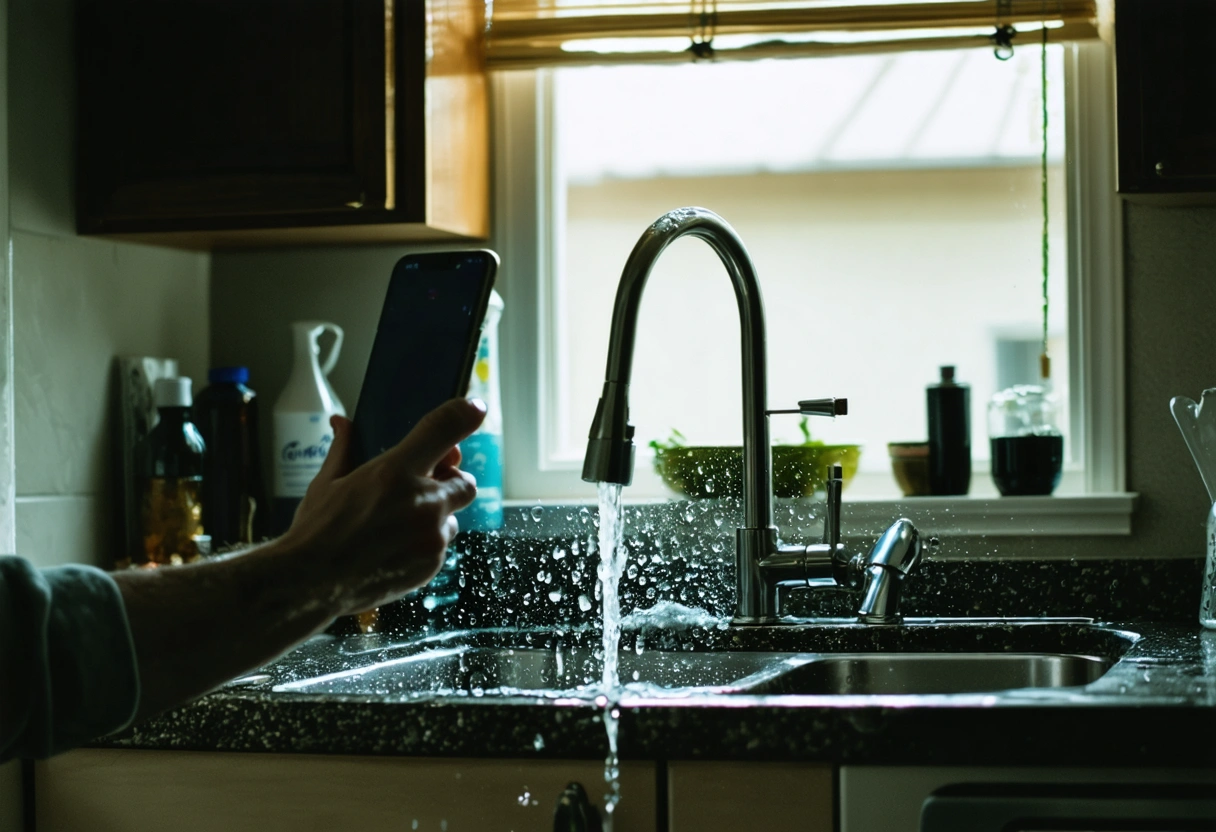
Moisture can accumulate on surfaces such as countertops, windowsills, and bathroom fixtures. Wipe these areas dry regularly, especially after cooking or showering. Use a squeegee to remove excess water from shower walls and doors.
Use Mold-Resistant Products
In areas prone to moisture, consider using mold-resistant products such as paints, sealants, and drywall. These products contain antimicrobial agents that inhibit mold growth, providing an extra layer of protection for your apartment.
Maintaining a Healthy Living Environment
Beyond humidity and mold control, maintaining a healthy living environment in your Southwest Florida apartment involves a holistic approach. Regular cleaning routines, such as vacuuming with a HEPA filter and dusting, help reduce allergens and improve air quality. Incorporating houseplants can also purify the air and add a touch of nature to your home.
Staying informed about local weather conditions and forecasts can help you anticipate high humidity periods and take proactive measures. Consider signing up for weather alerts to receive real-time updates and prepare accordingly.
Seeking Professional Help
If humidity and mold problems persist despite your efforts, it may be time to seek professional help. Certified mold remediation experts can assess your apartment, identify problem areas, and provide solutions tailored to your needs. Regular inspections by professionals can also help prevent minor issues from becoming major problems.
A Fresh, Comfortable Home Awaits
Keeping your rental home fresh and mold-free in Southwest Florida requires diligence and proactive measures. By understanding the science behind humidity and mold, employing effective control strategies, and maintaining a consistent cleaning routine, you can create a healthy and comfortable living environment. Remember, the key to success lies in regular monitoring and prompt action when issues arise.
For additional information on managing humidity and preventing mold, consider exploring resources like the Environmental Protection Agency’s guide on mold and the Centers for Disease Control and Prevention’s recommendations. These resources offer valuable insights and practical tips for maintaining a healthy home in any climate.
Natural Solutions for Humidity and Mold Control
While technology and products are effective solutions for humidity and mold control, incorporating natural methods can complement these efforts. By integrating some eco-friendly practices, you can maintain your apartment’s freshness while being kind to the environment.
Houseplants as Natural Dehumidifiers
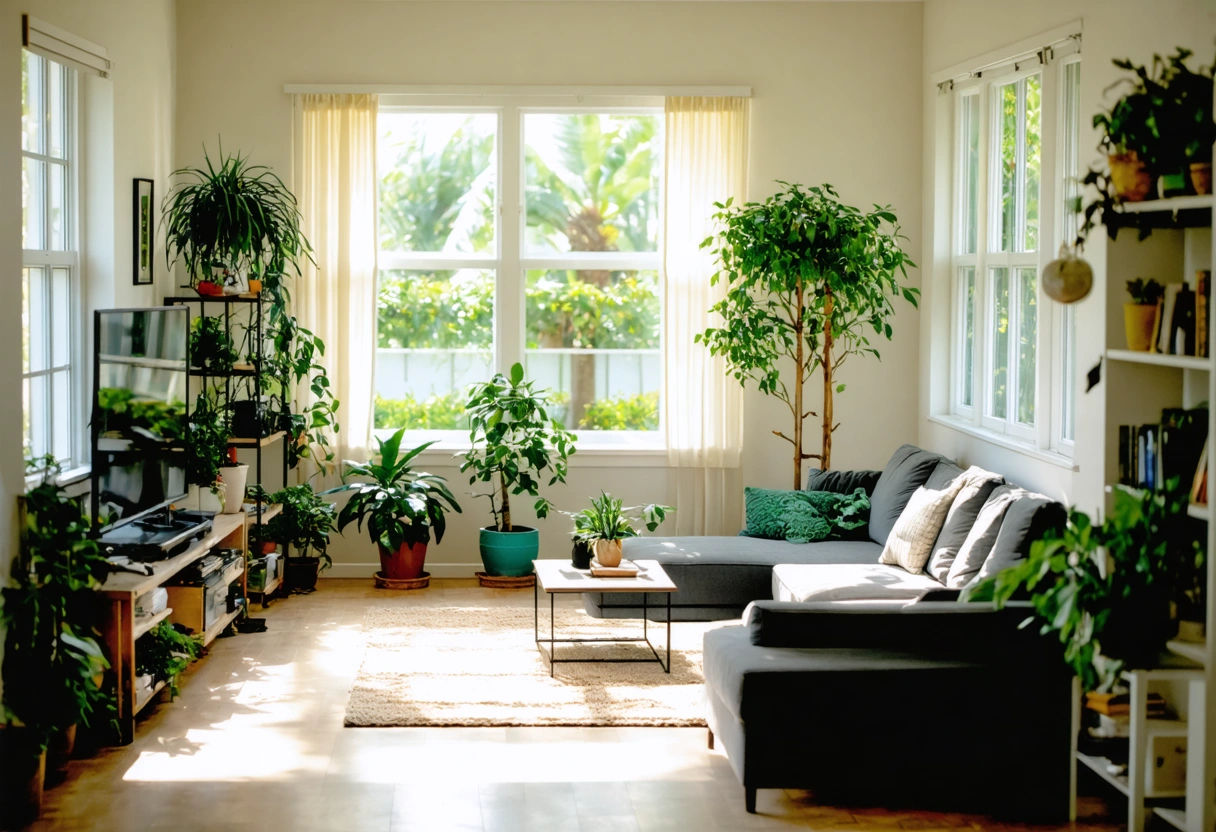
Certain houseplants can naturally absorb moisture from the air, helping to reduce humidity levels. Plants like Boston Ferns, English Ivy, and Peace Lilies not only beautify your space but also assist in dehumidification. Place these plants in areas prone to high humidity, such as bathrooms and kitchens, to maximize their effectiveness.
Beyond their dehumidifying properties, houseplants can improve indoor air quality by filtering out pollutants and releasing oxygen. They can be a simple yet effective addition to your overall strategy for maintaining a healthy apartment.
Utilizing Natural Ventilation
Take advantage of natural ventilation by strategically opening windows and doors to create cross-ventilation. This technique helps in replacing humid indoor air with drier outdoor air, especially during cooler, less humid times of the day. Consider investing in window screens to keep insects out while allowing fresh air in.
Natural ventilation is most effective when combined with ceiling fans or portable fans, which can enhance airflow throughout your apartment. This method not only reduces humidity but also promotes a refreshing breeze, contributing to a more pleasant living environment.
Long-Term Maintenance Tips for Renters
For renters, maintaining an apartment goes beyond immediate fixes. Long-term habits and maintenance routines are essential to ensure a consistently fresh living space. Below are some tips that can be easily integrated into your daily life:
Regular Cleaning and Decluttering
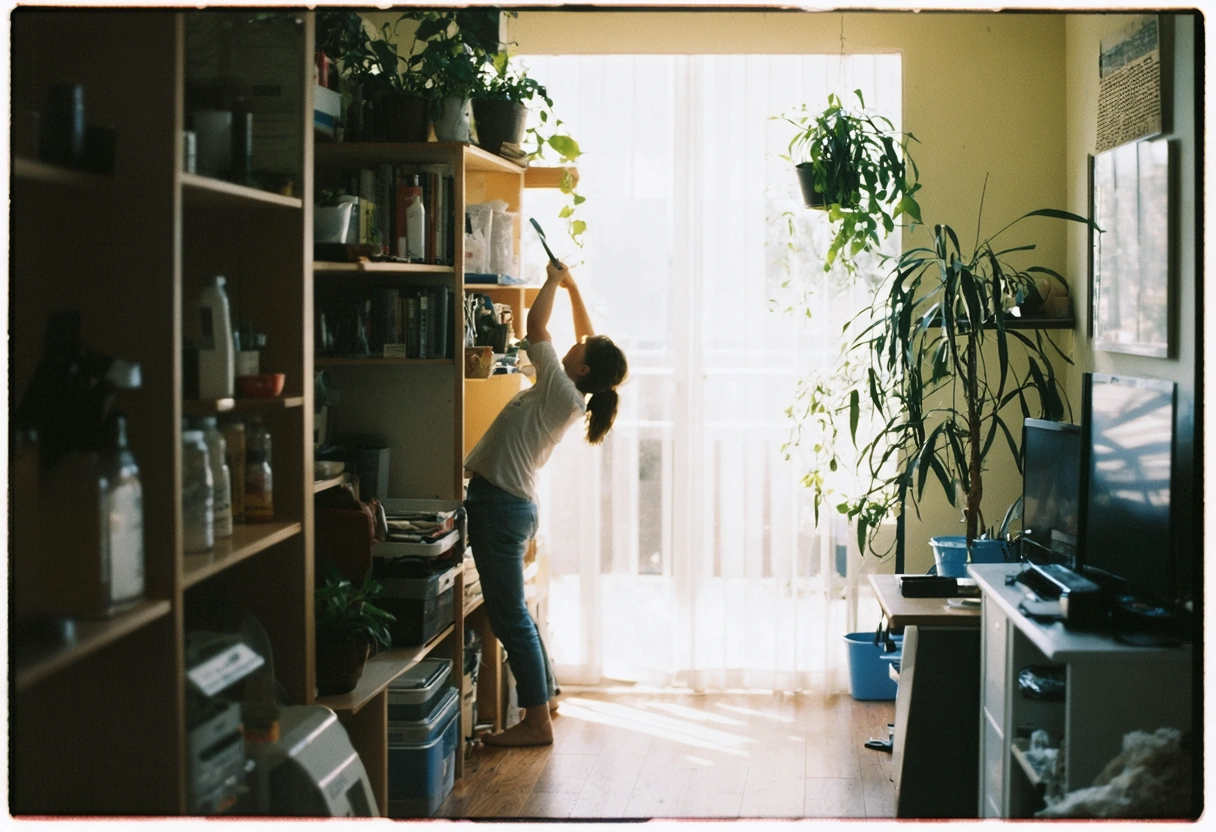
A clean and organized apartment is less likely to harbor mold and mildew. Regular cleaning routines, such as dusting, mopping, and vacuuming, prevent the accumulation of dust and debris that can contribute to poor air quality. Use natural cleaning products, such as vinegar and baking soda, to avoid introducing unnecessary chemicals into your home.
Decluttering your space not only reduces stress but also minimizes areas where mold can grow. Store items in airtight containers and keep them off the floor to avoid moisture absorption. A well-organized apartment fosters a sense of calm and cleanliness.
Monitoring Humidity Levels
Investing in a hygrometer, a device that measures humidity levels, can help you keep track of your apartment’s moisture levels. By monitoring these levels, you can take timely action to mitigate any increases in humidity, preventing potential problems before they arise.
Place the hygrometer in different rooms to get an accurate reading of your apartment’s overall humidity. Adjust your dehumidifier settings or ventilation strategies based on the data to maintain optimal humidity levels.
Engaging with Your Landlord for Optimal Solutions
Renter-landlord communication is crucial in addressing humidity and mold issues. Establishing a good relationship with your landlord can lead to quicker responses and more comprehensive solutions to any problems that may arise.
Reporting Issues Promptly
As a renter, it is your responsibility to report any signs of water damage or mold to your landlord as soon as they are noticed. Prompt reporting allows your landlord to address issues before they escalate, potentially saving both parties time and money.
Document any issues with photos and written descriptions to provide a clear record of the situation. This documentation is helpful for both communication with your landlord and for any potential insurance claims.

Negotiating Preventive Measures
Discuss with your landlord the possibility of implementing preventive measures, such as installing exhaust fans or upgrading window seals. Landlords may be willing to invest in these improvements to protect their property and ensure tenant satisfaction.
Approach these discussions with a focus on mutual benefits, highlighting how these measures can prevent costly repairs in the future. By working collaboratively, you can create a living environment that is both comfortable and well-maintained.
Embracing Community Resources
Finally, take advantage of community resources available in Southwest Florida that can assist with humidity and mold prevention. Many local organizations and government agencies offer workshops, informational sessions, and resources tailored to the region’s climate challenges. Engaging with these resources can provide additional insights and support.
Joining Local Workshops and Seminars
Attend workshops and seminars hosted by local environmental groups or housing agencies. These events often cover topics such as sustainable living, humidity control, and mold prevention, providing valuable knowledge and practical tips tailored to your specific locale.
Networking with other residents at these events can also lead to the sharing of experiences and solutions, fostering a sense of community and support.
Accessing Online Resources
Explore online platforms that offer guidance on maintaining a healthy apartment. Websites like the International Association of Certified Home Inspectors and the U.S. Department of Energy provide extensive information on air sealing and moisture management. These resources can be accessed anytime, offering convenient support as you work to maintain your apartment.
By utilizing a combination of technological, natural, and community resources, you can effectively manage humidity and mold in your Southwest Florida apartment, ensuring a fresh and healthy living environment.
Need help with Keeping Your Rental Home Fresh: A Practical Guide to Humidity and Mold Prevention in Southwest Florida Apartments?